(WASHINGTON) – Analysis
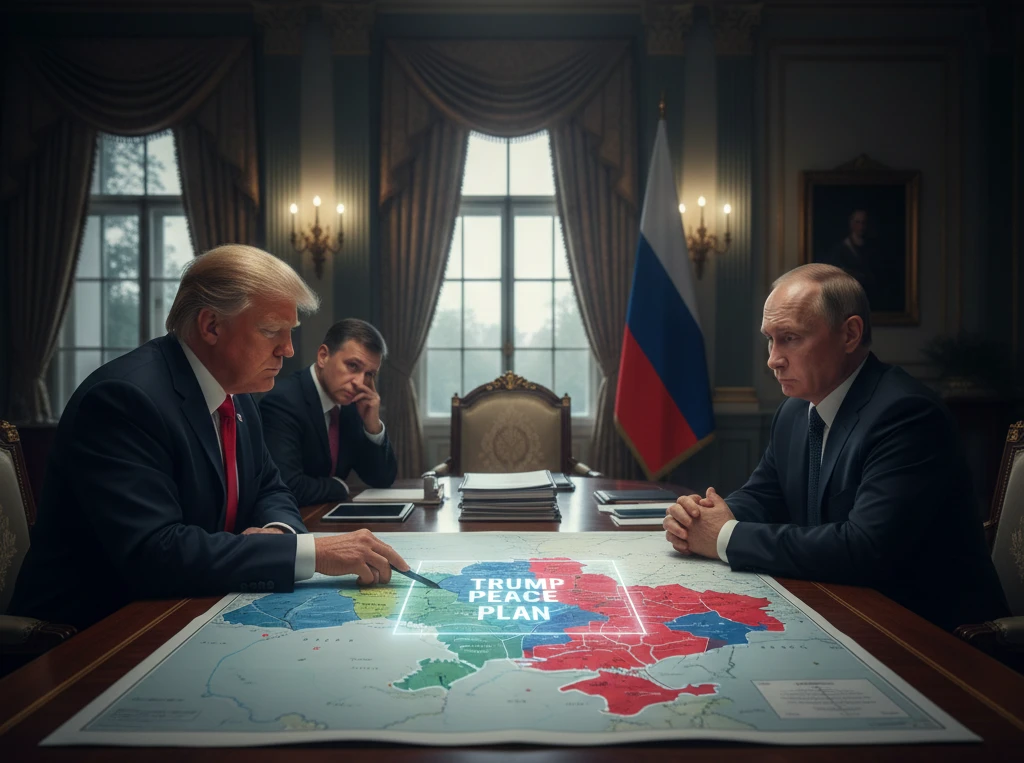
The years of the President Donald Trump’s administration saw a unique and different approach toward the Muslim Brotherhood (MB). According to the strategy's proponents, Washington's focus shifted to targeting what it described as the "terrorist arms" and associated organizations worldwide, rather than labeling the entire group as a Foreign Terrorist Organization (FTO), a demand made by some regional allies.
Voices within Trump’s inner circle and affiliated think tanks promoted an approach of "wise" and "strategic" management that aimed to dismantle the group's influence piece by piece, bypassing the legal and political complexities of an overarching designation.
Despite repeated pressure from key Arab nations to designate the Muslim Brotherhood on the Foreign Terrorist Organizations (FTO) list, something Trump had previously hinted at, the administration never officially implemented this classification. Analysts attributed this to concerns raised by the Pentagon and the State Department regarding the repercussions of such a decision on:
Dealing with Allied Governments: Especially in countries like Turkey or Tunisia, where parties linked to the MB participate in governance or parliament.
Complicating International Relations: The decision might have hindered counterterrorism efforts in certain regions where the roles of these groups intersect.
Instead, Trump pursued a policy of "smart targeting" by:
Isolating Subordinate Entities: Focusing on designating specific entities and individuals linked to or emerging from the group, especially in conflict zones, as terrorist organizations.
Financial Squeeze: Tightening the noose on funding networks believed to be associated with the group in Europe and the Middle East, and collaborating with Gulf states to cut off sources of support.
Analysts who support this approach point to the administration's key successes in undermining the influence of groups categorized as military or political "arms" of the MB in conflict zones:
Yemen: Pressure was applied on the Arab Coalition to limit the influence of the Islah Party (linked to the MB) within the internationally recognized government.
Libya: Support was given to military and political efforts against Islamist factions allied with the former Government of National Accord, which were viewed as supported by Turkey and connected to the MB.
Syria: The US distanced itself from supporting any Islamist factions in the north, which weakened the role of groups ideologically closer to the MB in the opposition equation.
Despite these actions, not all experts agree that Trump succeeded in "dismantling" the Muslim Brotherhood. Critics argue that:
The Group’s Structure: The MB is a global ideological and missionary movement that cannot be dismantled by an administrative or political decision. In fact, pressure might push it to operate underground using more clandestine methods.
Regional Influence: The group's influence has not been completely eradicated. It still maintains a political and popular presence in countries like Jordan, Turkey, and Morocco, and a strong social infrastructure in several nations.
The Alternative: Washington failed to present a clear vision for a political and social alternative after weakening these currents, potentially opening the door to more extremist groups in conflict areas.
In conclusion, it can be stated that the Trump administration adopted a policy of tightening the noose on the political and financial influence of the Muslim Brotherhood, while avoiding the legal confrontation that a comprehensive designation would have provoked. This approach yielded mixed results but reflected a radical shift in US policy toward political Islam.