(WASHINGTON) – November 26, 2025
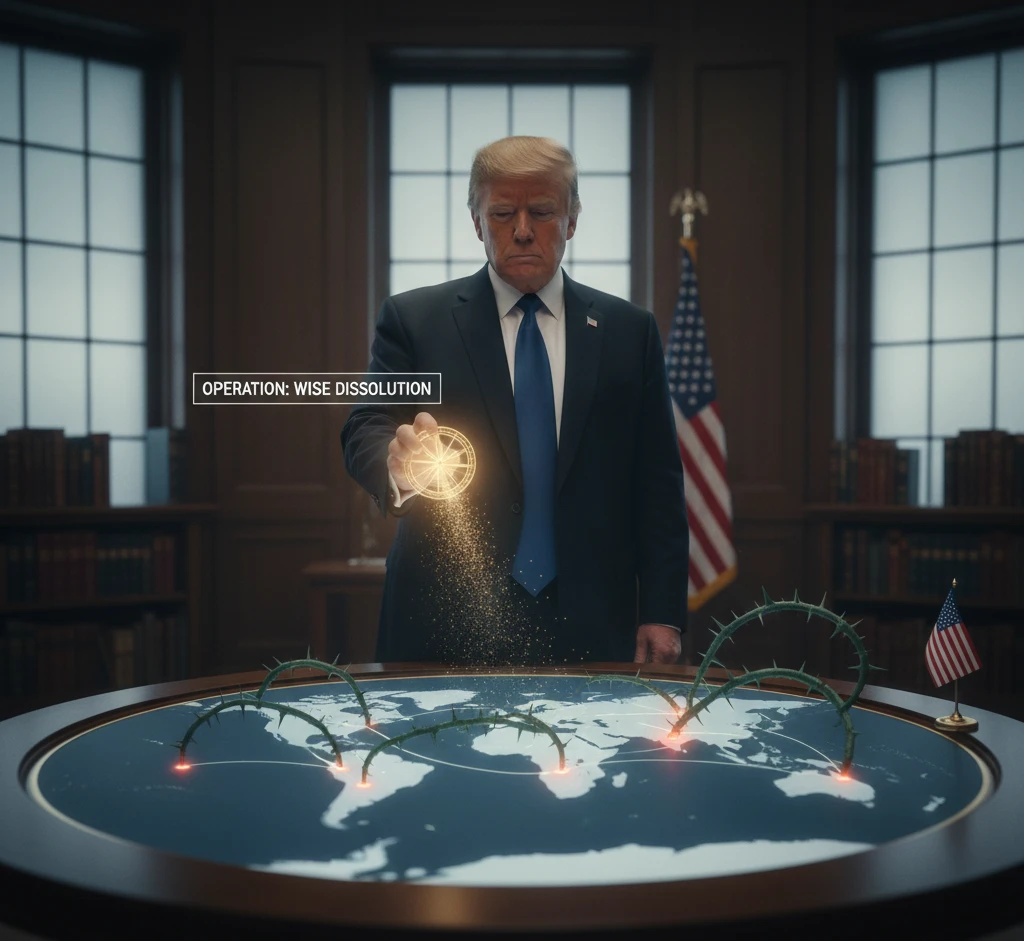
The detailed plan formulated by US President Donald Trump to halt the ceasefire and end the war in Ukraine has ignited wide controversy within Western diplomatic circles. Parts of the plan have been described as "copied from Russia" or reflective of the Kremlin's strategic demands, presenting Kyiv and its European allies with difficult choices.
The plan, the details of which have been revealed by Western media, is based on a concept of a difficult trade-off: long-term security guarantees for Ukraine in exchange for major territorial and political concessions to Russia.
The main dispute surrounding the plan lies in the clauses requiring territorial and political concessions from Ukraine, which appear largely consistent with the Russian objectives that initiated the war:
Territorial Recognition: The plan calls for Ukraine to accept the current status quo regarding the Crimean Peninsula and the regions of Donetsk and Luhansk as de facto Russian territories.
Freezing the Contact Line: The plan includes freezing hostilities along the current lines of contact. This would effectively cement Russia's control over large parts of the Kherson and Zaporizhzhia regions, treating this line as a practical temporary border.
Ukrainian Neutrality: A key element of the plan stipulates Ukraine’s commitment to enshrining in its constitution a clause banning it from joining NATO, which is Russia's fundamental security demand. Kyiv would also commit to remaining a non-nuclear state.
Limiting Military Size: The initial version of the plan required setting a ceiling for the size of the Ukrainian armed forces, a provision viewed as a restriction on Ukraine's military sovereignty.
In return, the plan offers Ukraine a strong and decisive guarantee, which is the main selling point promoted by the Trump team:
NATO-Like Guarantees: Granting Ukraine 10-year security guarantees similar to Article 5 of the NATO charter. These guarantees would obligate the United States and its European allies to intervene and respond immediately should Ukraine face any future Russian attack.
Conditions for Russian Withdrawal: The plan includes mechanisms for gradually lifting sanctions on Russia, with a strict condition that all international sanctions would be reimposed, and any benefits granted to Russia revoked, should it resume aggression.
While the Kremlin welcomed the diplomatic path of the plan, describing it as "serious," America's European allies have expressed deep reservations. Critics of the plan argue that it rewards Russian aggression and forces Ukraine to make concessions that compromise its sovereignty and territorial integrity, making it appear closer to a "document of surrender" for Ukraine than a "just peace treaty."
For its part, the Trump administration denies claims that the plan is "copied," asserting it is the product of complex negotiations aimed at stopping bloodshed. It points out that Russian concessions to end the fighting (such as withdrawing from some currently occupied areas) are necessary to achieve peace.
The question remains: Will this plan be able to achieve lasting peace, or will it merely constitute a brief pause in a broader and longer conflict?